In today's digital landscape, competitive experiences are everywhere—from bustling online tournaments to immersive fantasy leagues and ranked matches on gaming platforms. For those who thrive on competition, finding entertainment that offers genuine participation and constant challenge is key. Yet as social media feeds and content algorithms shape what we see, many fall victim to scrolling fatigue and repetitive content that stifles excitement.
How Algorithms and Social Media Feeds Shape Our Entertainment Choices
Social media feeds and content algorithms are designed to keep us engaged by showing what they predict we like—often leading to a vicious cycle of sameness. Scrolling through platforms like Instagram, Twitter, or TikTok, users quickly notice repeated content themes and recycled trends. This phenomenon can cause scrolling fatigue, where entertainment feels more like a chore than a thrill.
This algorithmic sameness can dull the spark for competitive gamers and enthusiasts who crave fresh challenges and meaningful participation. Instead of engaging in novel contests or ranked matches, people may passively consume similar memes or viral clips ad nauseam.
The Consequence: Diminished Engagement and Participation
The biggest casualty in this scenario is agency—the player’s sense of participation and impact in the competitive space. When entertainment is reduced to repetitive passive consumption, users no longer feel active. They want platforms that offer control, meaningful progression, and opportunities to challenge themselves against others.

Top Interactive Entertainment Options for Competitive Minds
For those aiming to break free from algorithmic tedium and scrolling fatigue, several niche entertainment platforms and competitive formats deliver a more engaging experience. Here are https://dlf-ne.org/interactive-entertainment-that-feels-social-without-posting/ the best options catering to those who love competition:
1. Online Tournaments
Online tournaments are among the most popular interactive formats for competitive players. Whether it’s casual eSports or focused games like chess, fighting games, or quiz battles, these tournaments create structured environments where players compete head-to-head or in bracket-style playoffs.
Benefits include:
- Clear progression: Players move through stages and can see their rank improve. Community engagement: Tournaments usually come with chat rooms, streams, and forums. Prizes and recognition: Many tournaments offer awards that provide motivation beyond just winning.
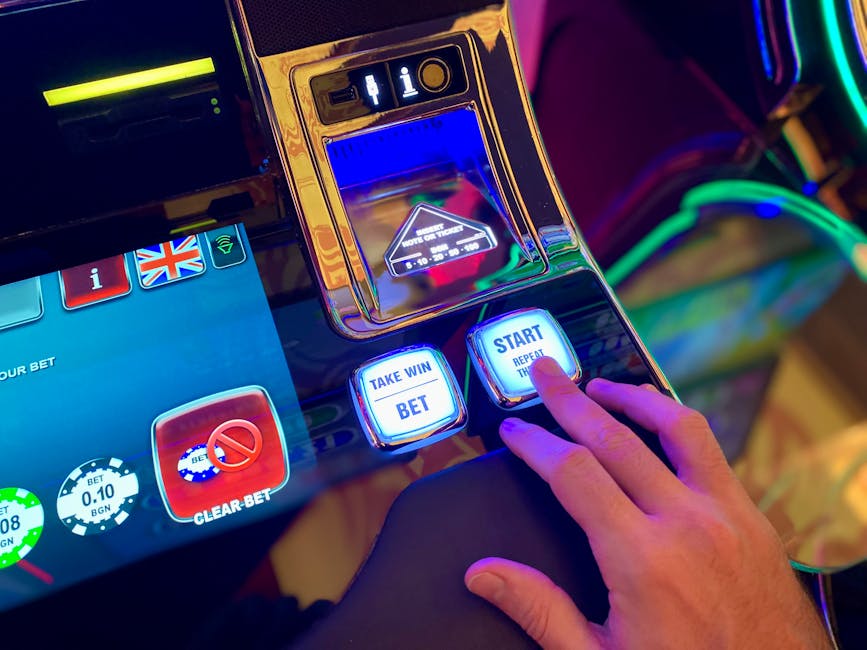
For example, MrQ, a UK-based online casino, offers tournament-style gameplay where players can compete to win prizes, blending luck and strategy into an interactive competing experience that’s regulated and fair.
2. Fantasy Leagues
Fantasy leagues, especially in sports like football, basketball, and esports, combine player selection strategy with ongoing live event results. This dynamic kind of competition spans weeks or months, which keeps participants constantly engaged and invested in every real-world game.
Why fantasy leagues entice competitive spirits:
- Strategic depth: Decisions about player trades, picks, and formations affect outcomes. Social competition: Many leagues include friends or colleagues, rising the stakes. Long-term engagement: Unlike fleeting social media clips, leagues build anticipation over time.
3. Ranked Matches in Online Gaming
Many competitive gamers live for ranked matches on platforms like Valorant, League of Legends, or traditional card games online. These ranked modes offer ladder-style competition, often with regular resets to keep the playing field fresh.
- Skill-based matchmaking: Algorithms strive to pair players of similar skill levels for fair competition. Visible progression: Watch your rank climb as you outperform others. Dynamic meta: As strategies evolve, players must learn and adapt, preventing monotony.
Ranked competition offers a more active form of entertainment that counters the passive consumption associated with social feed scrolling.
Niche Entertainment Platforms: Alternatives to Algorithm-Driven Sameness
With the saturation of typical social media platforms, many enthusiasts seek niche platforms that emphasize direct competition, agency, and fresh content. These platforms often escape mainstream algorithmic feeds, giving users more control over the content and quality of their experience. Examples include:
- Skill-based gaming casinos: Like MrQ, specializing in combining gaming with competitive reward structures. Dedicated fantasy sports websites: Platforms that focus exclusively on fantasy leagues, highlighting customization and community. Esports tournament hubs: Websites and services that organize regular tournaments, bypassing general streaming sites’ algorithmic chaos.
These platforms address two key problems with general internet content: the lack of genuine participation and the boredom that comes from repetition. By focusing on player agency and diverse formats, they keep competition alive and exciting.
Common Mistake: Not Listing Prices or Entry Fees Upfront
When exploring online tournaments, fantasy leagues, or casino platforms, a frequent frustration is the lack of clear price or entry cost information in articles or event pages scraped by aggregators. This omission leaves potential participants guessing about financial commitment and reduces trust.
Why listing prices matters:
- Transparency: Participants need to know costs before committing their time and skill. Budget management: Competitive entertainment can be casual or costly—users must gauge affordability. Expectation setting: Clear pricing avoids future surprises and dissatisfaction.
Content creators and platforms that provide explicit entry costs and prize details help users make informed decisions and foster better engagement.
Summary Table: Comparing Competitive Entertainment Formats
Format Participation Style Duration Skill Emphasis Community Aspect Typical Costs/Prizes Online Tournaments Direct competition in brackets Hours to days High Strong with chats & forums Entry fees vary; prizes often cash or items Fantasy Leagues Managerial strategy across events Weeks to months Moderate to high League chat and social features Often free to join; prize pools or bragging rights Ranked Matches Skill-based ladder climbing Individual sessions Very high Community rankings & live chat Generally free; some paid rewards availableFinal Thoughts
For competitive entertainment seekers, escaping the scroll-and-repeat trap created by algorithm-driven feeds means actively choosing formats that emphasize participation, agency, and challenge. Whether engaging in online tournaments via platforms like MrQ’s UK-based online casino, managing your roster in fantasy leagues, or climbing ranked match ladders, the key is to find niche environments that reward skill and progression.
Ultimately, real competition invites you to be more than a passive observer—it invites you to play, strategize, and win. Seek out platforms that respect your time https://bizzmarkblog.com/online-chess-communities-for-beginners-how-to-play-learn-and-thrive/ and investment, provide transparent pricing information, and foster vibrant communities to truly enjoy the best interactive entertainment tailored for the competitive at heart.